After Tooth Extraction

20130826_114607 by Thomas R. Tippins DDS

 Seven Things You Need to Control After a Tooth is Extracted !!!

#1     You need to control the Bleeding. A damp gauze pad over the extraction site with pressure is the first step. If that does not stop the bleeding, the second step is a damp tea bag over the extraction site with pressure. If bleeding does not stop you will need to call your Dentist for further instructions. 

#2    You need to control the Swelling. Place an ice pack on the outside of your face where the tooth was extracted as soon as possible.  30 minutes on and off for the first 1 to 2 days. If you have increased swelling after three days call your Dentist right away.

#3    You need to control the Pain. Take the prescribed pain pills from your Dentist and follow all of their instructions. If you have an unfavorable reaction to the medication call your Dentist right away.  If you have increased pain after four days call your Dentist right away.

#4   You need to control the Bruising. This may be a normal Post-Op condition and there is very little you can do to prevent it.

#5   You need to control your diet. Do not eat while you are numb. Eat soft, and cool things. Chew away from the extraction site. Do not eat or drink hot liquids/food the first day. Avoid hard crunchy food.

#6   You need to control your Oral Hygiene. Gentle rinses the next morning with Dentist prescribed Antibiotic mouth rinse, or warm salt water rinse 4 to 5 times per day for several days.

#7   You need to control any Infection. You may be prescribed Antibiotics by your Dentist  to help prevent or cure an infection. Take the medication as directed. If you have an elevated temperature/fever after two days call you Dentist right away. Discontinue antibiotic if you develop a rash or any unfavorable reaction and call your Dentist right away.

A few other things to know: If you have any numbness after 24 hours call your Dentist. Keep your lips moist with a lip ointment. Stiffness of the jaw muscles may happen, this is a normal Post-op symptom  that will gradually go away in 5 to 10 days. The Dentist will tell you how to care for your sutures. You may feel hard projections in your mouth with your tongue near the extraction site, these are the bony walls of the empty tooth socket.  They will smooth out over time. If they do not, then your Dentist will smooth them off for you. Avoid strenuous activity for a day or two, as this may cause the extraction site to start bleeding again. Do not drink through a straw. Do not drive an automobile or operate machinery while taking medication. Stand up slowly to help prevent fainting.

If you have any questions or concerns please call your Dentist.

This has been a brief overview of the instructions on how to care for your mouth after your tooth has been extracted. For a more comprehensive set of instructions visit these websites:

http://aospeoria.com/post-op-care/post-op-care-tooth-extraction.aspx

http://www.oralfacialsurgeon.com/surgical-instructions/multiple-teeth-extraction.html

http://www.omscenters.com/surgical-instructions/post-op-extractions-and-wisdom-teeth-removal.html

http://www.iowaoralsurgery.com/surgical-instructions/extractions/

http://www.urbandaledentists.com/faq_s/

images (5)images (6)


Thomas R Tippins DDS    Urbandale Family Dentistry, PC


Urbandale Family Dentistry Recognized for Social Media Achievements

#9

Urbandale Family Dentistry was ranked the #9 Dental Office for contributions and management of Social Media pages for 2014! Check out the article!

http://www.1dental.com/blog/2014/12/16/top-10-dentists-on-social-media-2014-edition/

Top 10 Dentists On Social Media: Urbandale Family Dentistry

Dr. Tom was quoted in the article! See below.

Top 10 Dentists On Social Media: Quote Box_Urbandale Family Dentistry

We’re very excited to see what 2015 has in store for us!

Why Does My Tooth Hurt ?

20130826_114607  By Thomas R. Tippins DDS


Pre-Diagnosing the Pain YourselfIs your tooth sensitive to cold ? _____Does the pain to cold go away quick or does it linger ? _____Does your tooth hurt to hot ? ______Is the pain to hot the worst pain you have ever had ? _____

Does the pain to hot go away when you put ice water on the tooth ? _____

Does the tooth hurt to bite on ? ______

Does it hurt to bite on all the time or just when you bite on it just right ? _____

Does it hurt to tap on ? ______

Does it hurt to cold air ? _______

Does it hurt to sweets ? ______

Does just one tooth hurt or do multiple teeth hurt ? _____

Do the teeth hurt more in the morning after you wake up from a stressful night ? ______

Have you missed your regular 6 month dental check up with your Dentist for a while ?  ______

Do you brush with a hard brush ? ______

Have you had sinus problems lately ? ____

Answer all these questions and then see your Dentist for the correct Diagnosis …

Diagnosis at the Dental Office

The Dentist will take an X-ray to check for abscesses, cavities, bone loss around the teeth and other hidden problems. The Dentist will tap on the teeth, which is called a “percussion test”. The Dentist will have you bite on a bite stick to check the problem tooth. The Dentist might place an ice cube or “Endo Ice” on the tooth to check for cold sensitivity, or lack of cold sensitivity. The Dentist may blow a gentle stream of cold air on the tooth

Tooth Pain and Symptoms:

Tooth Decay

Also known as cavities. A small cavity could be sensitive to air, sweets, cold and hot liquids and food. A very large cavity could hurt to the above symptoms, plus almost every symptom listed above in the Pre-Diagnosing the Pain Yourself section.

Reversible and Non Reversible Pulpitis

Pulpitis is when the nerve in the middle of the tooth is inflamed. This inflammation causes the tooth to hurt. If the tooth hurts to cold but does not linger when the cold is removed, the nerve in the tooth is usually healthy. This is Reversible pulpitis. If the tooth hurts to cold and the pain lingers after the cold is removed, the nerve is unhealthy and possibly dying. This is Non Reversible Pulpitis. The treatment options would be Root Canal Therapy or Extraction of the tooth. If the tooth hurts to hot and it is the worst pain you have ever had, the nerve in the tooth is dead/necrotic and the treatment options are Root Canal Therapy or Extraction. If you have no sensitivity or pain to cold on a tooth the nerve in the tooth could possibly be dead and the treatment options would range from just monitoring the tooth at each dental checkup to possible Root Canal Therapy or Extraction.

Abscessed Tooth

The tooth will usually hurt to bite on, tap on, possibly hurt to cold and linger or hurt really bad to hot. You may have swelling in your jaw around your tooth.  An X-ray usually shows an abscess unless it has just recently developed. The treatment will be Root Canal Therapy or Extraction. If Root Canal therapy is done on a middle or back tooth, you will  also usually need a crown to help  protect the tooth from fracture.

Cracked Tooth

The Classic Symptoms are usually pain when you bite on something just right, and sensitivity to cold. Treatment for a cracked  tooth could include a crown, a root canal and crown, or an extraction depending on the location and severity of the crack in the tooth.

Wisdom Tooth Impacted

Symptoms and problems with an impacted wisdom tooth include pressure caused by the impacted wisdom tooth. Destruction to  the 12 year molar as the wisdom tooth “grows into” the back of the 12 year molar. Infection around the tissue of a partially impacted wisdom tooth which is called pericoronitis. This infection can be serious and spread down the side of your neck, in which case you would need immediate medical / dental care. Treatment for an impacted wisdom tooth is extraction.

Gum Disease

Also known as Periodontal Disease , is infection around the gums. The first signs of gum disease are bleeding gums that are red and puffy. When the Periodontal condition worsens you could have pain from infection, loose teeth, and halitosis. Treatment for gum disease ranges from a simple dental cleaning and good home care which includes brushing and flossing daily, to a deep dental cleaning with more regular dental cleanings, to extractions when teeth become hopelessly loose.

Sensitive Teeth

The teeth can become sensitive to cold and air because the gums around the teeth have receded and the roots are exposed. The gums recede either from brushing with a hard tooth brush or because of grinding and clenching the teeth over time.  Also the enamel on the top of the tooth can be worn away over time from grinding and clenching. The treatment for sensitive teeth include a night guard worn to protect the teeth from grinding. Brushing with toothpaste for sensitive teeth, and applying a fluoride varnish to sensitive areas of the tooth.

Sinus Problems causing Tooth Pain

Sinus congestion and or sinus infection can cause your upper teeth to hurt. No Dental Treatment will be needed, but your Dentist or Medical Doctor may prescribe a decongestant and or antibiotics. If sinus problems persist please consult your medical doctor.

As with all tooth and jaw pain, see your Dentist as soon as possible for evaluation and treatment. You may be referred to an Endodontist, a Periodontist, or an Oral Surgeon. If your pain has a medical component you should be referred to a medical doctor.

Urbandale Family Dentistry, PC

Thomas R. Tippins DDS  &  Megan E. Miller DDS


Top 10 Dentists on Social Media 2014 – Urbandale Family Dentistry #9

1dental.com

Top 10 Dentists on Social Media – 2014 Edition

Top 10 Dentists on Social Media Header Photo

Each passing year, we continue to see how social media affects how we interact with one another, how businesses reach customers, how consumers buy and sell their own products and even how dentists communicate and grow their relationship with patients.

It is an important aspect of business and dental practices – to get to know customers and let them get to know you. And while over the past few years we have primarily focused on dentists’ engagement and activity on Facebook and Twitter to compile our top 10 dentists on social media list, there are a few more networks on the scene now, the most significant of which is Google+.

So here is our list for 2014 of the top 10 dentists on social media, who have shown active engagement and activity on Facebook, Twitter and Google+.

1. TenderCare Dental

Top 10 Dentists on Social Media: Tender Care Dental

Along with their intuitive website, TenderCare Dental’s Facebook, Twitterand Google+ pages are full of positive, fun and interactive articles and pictures.  You can also find them on YouTube, Pinterest, Instagram andLinkedIn.

2. Brookside Dental

Top 10 Dentists On Social Media: Brookside Dental

Brookside Dental’s top priority is your oral health and a top-notch smile; this much is clear from their informative website and frequent posts on how to improve your pearly whites. You can find them on Google+, Facebook andTwitter.

3. Coast Dental

Top 10 Dentists On Social Media: Coast Dental

The social media pages of Coast Dental are highly positive and encouraging toward not only your oral health, but YOU! They post fun things that actively show the care and support of their staff. You’ll find them on Twitter,Facebook and Google+.

4. Guido Family Dentistry

Top 10 Dentists On Social Media: Guido Family Dentistry

The dental office of the Guido Family is actively seeking a relationship with its patients and their families. They strive to provide a safe and light-hearted atmosphere for each person that comes in. Look for them on Twitter,Facebook and Google+.

Top 10 Dentists On Social Media: Quote Box_Guido Family Dentistry

5. Dr. Howard Steinberg

Top 10 Dentists On Social Media: Howard M. Steinberg

Dr. Howard Steinberg wants to enlighten people on the ins and outs of oral health. He provides helpful and safe insight on taking care of your teeth. This is evident on his blog and his social pages: Google+, Facebook and Twitter.

Top 10 Dentists On Social Media: Quote Box_Howard M Steinberg

6. My Dentists

Top 10 Dentists On Social Media: My Dentists

The word that comes to mind when looking at My Dentists’ Twitter and Facebook pages is “lively.” They frequently post entertaining facts or pictures—whilst also informing you about your teeth! You can find them onTwitter, Facebook, Google+ and YouTube.

7. Asheville Family Dentistry

Top 10 Dentists On Social Media: Asheville Family Dentistry

Finding a good family dentist can be hard, but if you are in North Carolina, Asheville Family Dentistry is the place to go! Their social media pages are filled with great questions and quizzes and they value each patient that enters their office. You’ll find them on Google+, Twitter, Facebook, YouTubeand Pinterest.

8.  Young Family Dental

Top 10 Dentists On Social Media: Young Family Dental

The Young Family Dental has a very enjoyable newsfeed of entertaining and informative pictures. They are dedicated to bringing a smile to their patients’ faces—and helping them improve it! You can find them on Twitter,Facebook, Google+ and YouTube.

9. Urbandale Family Dentistry

Top 10 Dentists On Social Media: Urbandale Family Dentistry

Urbandale Family Dentistry has a bright and supportive staff as shown through their social media pages. They keep the priority of regularly informing people of how to take care of their teeth and provide a comfortable atmosphere for their clients. You can find them on Facebook,Twitter, Google+, YouTube and Pinterest.

Top 10 Dentists On Social Media: Quote Box_Urbandale Family Dentistry

10. Hinsdale Dentistry

Top 10 Dentists On Social Media: Hinsdale Family and Cosmetic Dentists

With an equal amount of play and work, the Hinsdale Dentistry pages are well topped. They value the customer’s smile and experience at their office in Illinois. You’ll find them on Facebook, Twitter, Google+, YouTube andPinterest.

Dental Bloggers

And while the following list may not be dentists posting for a particular dental office, these are some great dental bloggers who are active on social media for your office and patients to follow. They offer very valuable content and advice about dental care.

  1. Top 10 Dentists On Social Media: Quote Box_The Dental GeekThe Dental GeekOur friends at The Dental Geek make it a priority to be positive and proactive about oral health. They aim to inform their readers about how dental health matters, while keeping a light-hearted disposition. Find them here: Twitter, Facebook, Google+ and YouTube.
  2. AnastasiaAnastasia Turchetta, a dental hygienist video blogger, gives a logical look at dental health. She has become one of America’s “Top 25 Women in Dentistry for 2014” by working passionately to influence the department of oral hygiene professionals.  Find her social media pages here: Google+Twitter, Facebook, Pinterest and YouTube.
  3. The Blogging Doctors This blog is written by doctors of all professions in order to get their online voice out in the world. It is a great community and opportunity for doctors to share their variety of stories and learnings. Find them here: Google+TwitterFacebook and Pinterest.
  4. Top Dentists OnlineTop Dentists Online is an extraordinary resource for people to search, find, review and rate their favorite dentists. It’s an easy and helpful way to discover top-rated dentists near you! Look here:Google+, Facebook, Twitter and YouTube.
  5. Dental Hub The bloggers at the Dental Hub work toward keeping readers aware of how the mouth works, and how to keep it healthy. They frequently post tips and articles designed to entice and advise readers at the same time. Check them out here: Google+TwitterFacebook andPinterest.

Next Steps for Your Dental Office

If the thought of staying active on all of these social networks overwhelms you, here are some ideas for you to try to help you manage it:

    • Choose Your Social Networks. Figure out which networks your patients frequent and spend your energy on those networks. While we shared dentists who are active on all of these networks, don’t feel pressured to try to do the same. You don’t want to spend an inordinate amount of time on Google+ or Twitter if all of your patients are on Facebook.
    • Pick Your Social Media Manager. Choose someone in your office to handle your social media accounts. This will ensure your activity is consistent and not repetitive.
    • Share Special Events and Other Occasions. Be sure to document special events and fun occasions happening in your office that you can share with your followers. You may not be able to post the pictures right away, but if you take them when you have the event, you’ll have them stored to share later.
    • Post Informative Content Using Posting Tools. Spend a few hours of your week coming up with helpful and meaningful content for your patients. You can use a tool like Bufferapp or Hootsuite to post your articles. These programs will automatically post those articles on your social networks throughout the week so your followers are getting the information they need, while saving you a bit of time.
    • Have fun! Be personable. Use social media to let your followers get to know your office and use it as a way to get to know your patients. Ask them questions; get their thoughts.

General dentists aren’t the only ones taking advantage of social media for their practices; many pediatric dentists are, as well.

How can you be more engaged and active on social media?

5 Dental New Year’s Resolutions

Here are five simple dental resolutions that will change your oral health for the better! Let 2015 be your best year yet for taking care of your mouth.

1. Twice a day, for two minutes: The recommended time and frequency of brushing your teeth is twice a day for two minutes. Two minutes may not seem like a long time but studies show the average person brushes their teeth for less than 45 seconds. You can make brushing last longer by setting a timer, using your free hand to tidy up the bathroom counter or going to a little walk around the room.

2. Floss once a day: OK. So we understand for some people this sounds impossible. Start small and work your way up. Begin flossing twice a week for the month of January. Then in February floss three times a week. March will be four, etc. By June you’ll be a flossing machine! Your gums and hygienist will thank you for it!

3. Have regular dental check ups: Dentists recommend a minimum of 2 visits per year. Some patients, such as those with periodontal disease or patients who build up calculus more quickly or have trouble with home care, may need to be seen 3 or 4 times a year.

4. Reduce your intake of foods and drinks that harm your teeth. Acidic food such as soda, fruit juice, wine, sports drinks, tomatoes, cranberries, oranges and cherries can erode the enamel on teeth. Also, reduce foods that cause cavities such as sticky sugary foods and drinks. Use ADA approved fluoridated toothpaste to help prevent cavities caused by these foods.

5. Stop bad habits before they cause harm: Whether we realize it or not little things we do to our teeth can cause erosion, abrasion and even fracturing or chipping. A few examples of these things are chewing on pens/pencils/paper clips, using teeth to open plastic packages, chewing on ice and holding sewing needles with your teeth. All of these practices can cause damage to teeth that could require a trip to the dental office.

There you have it! Five easy changes to make for 2015 for your best oral health yet! Have a Happy New Year from Urbandale Family Dentistry!

5 Tips for Dental Care During Cold and Flu Season

The time is here, folks! It seems everyone you talk to has “that thing that’s going around.” Here’s a quick reminder of things you can do to take care of your teeth during your cold.

1. Choose Sugar Free options as often as you can.

Yes, we know that the cherry cough drops taste the best of all the cough drops but watch out for the increased sugar! If you are like most people as soon as one cough drop is gone, another goes in. Constant exposure of sugar to your teeth for several hours provides a prolonged feast for cavity causing bacteria.

2. Rinse after taking cough syrup

After a nightly dose of cough medicine be sure to swish and spit with water! If you stumble to the bathroom and down a mouthful of cough medicine and get right back into bed – beware! The syrupy cough medicine will stick around on your teeth until you wake up the next morning and brush it off. Cough syrup contains high fructose corn syrup or sucrose which is broken down into acid. Swishing with water and rinsing before you climb back into bed will protect your teeth from decay.

3. Beware of dry mouth during your cold.

Two major causes of dry mouth during your cold is medicine and mouth breathing. Cough syrups and cold medicine usually contain anti-histamines which cause dryness. Stuffy noses and congestion can cause people  to sleep with their mouths open. Gingiva and teeth are affected by the dryness and lack of saliva. Gingival tissue can get irritated and red while teeth can be more prone to decay without the helpful saliva washing them clean. Make sure to do a thorough job brushing in the morning and at night to keep teeth healthy. Also, some people find it beneficial to coat their tissue with a thin layer of Vaseline before bedtime as a temporary layer of protection.

4. Protect your enamel from the acidity of Vitamin C

Vitamin C will help you feel better, but it can be damaging to your enamel! Vitamin C is very harsh to your teeth. Choose a Vitamin C supplement that can be swallowed whole rather than chewed to lower exposure time to your teeth.

5. Last, but not least: as tempting as it is…Don’t chew on cough drops! Many a cusp has been broken during this seemingly harmless act. Either throw it away when it gets too small or finish it. You’ll save yourself the time and expense of having to visit your dentist for a filling or crown.

Dr. Megan E. Miller

Dr. Megan E. Miller

10 Creative Non-Dental Uses for Dental Items

Dr. Megan E. Miller

Dr. Megan E. Miller

Here are 10 interesting ways to use your dental hygiene products you never would have thought of! Fun and creative. Check them out!

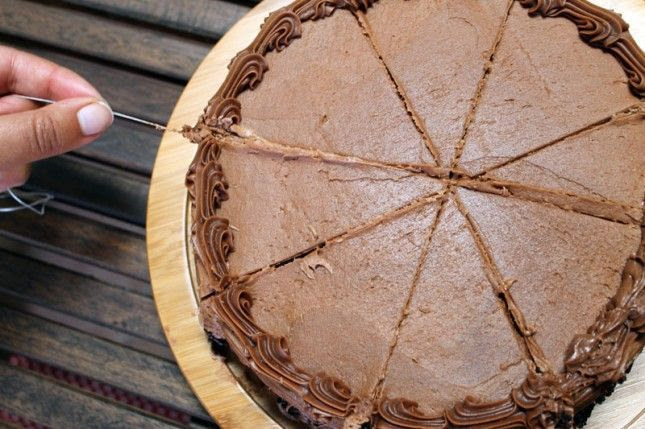
1. Floss: Cutting Cheesecake

Use dental floss to perfectly section cheese cake into wedges. Make sure to use unflavored floss!

Cheesecake.jpg

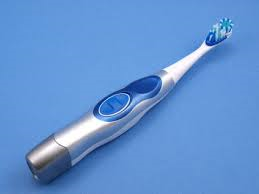
2. Electric toothbrush: Rescuing a cell phone speaker from water damage

Have you ever gotten your cell phone speaker wet? The sound gets muffled and quiet. Here is an easy fix! Place a completely dry electric toothbrush up to the damaged speaker making sure the bristles are touching the speaker. Turn on and let it vibrate for a couple minutes. The vibration will dislodge any water left in the speaker. Works good as new!

Electric_toothbrush.png

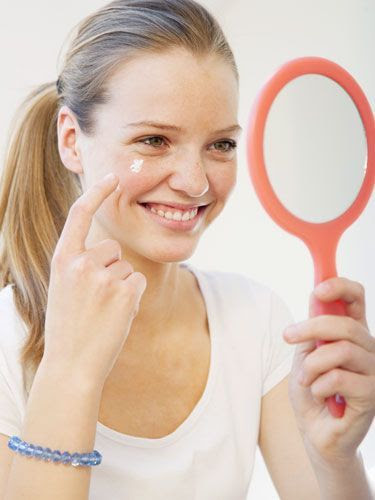
3. Toothpaste: Zit Zapper

Put a dollop of toothpaste on zits before bedtime. Allow toothpaste time to dry before laying down on your pillow. The toothpaste will dry blemishes as you sleep!

Zit.jpg

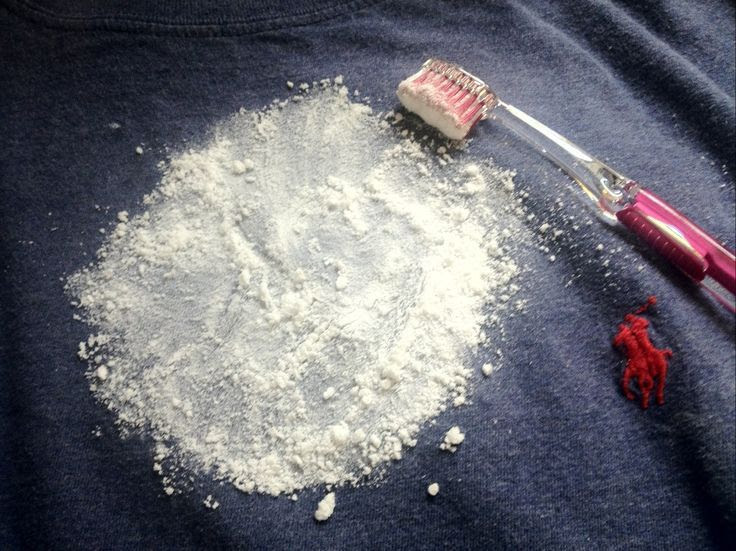
4. Toothbrush: Oil Stain Scrubber

Use a toothbrush to get oil stains out of clothes! Pour baking soda onto oil stain and scrub with toothbrush for several minutes. The toothbrush will work the baking soda into the fabric and the baking soda will soak up the oil! Pre-wash item in the sink with Dawn dish soap and throw into the wash. Goodbye oil stain!

Oil_Stain.jpg

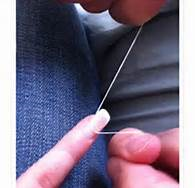
5. Floss picker: Removing acrylic nails

After acrylic nails have grown out and begin to separate from your natural nail – use dental floss to remove them! Slide floss under the nail and VERY GENTLY begin to pull the floss under the nail, further and further until the nail detaches. Use a nail file to remove excess adhesive and a nail buffer to smooth the nails back out. Pre-threaded floss picks work great for this use!

Nails.png

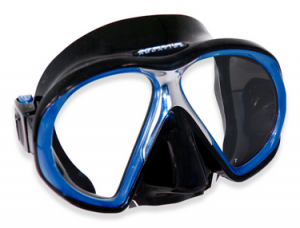
6. Toothpaste: Sealing leaking snorkel mask and defogging goggles

Wipe toothpaste over the lenses of swimming goggles then rinse for fog free swimming! Also, leaking snorkel goggles can be sealed by smearing toothpaste generously over failing seal. Be sure not to get any in your eyes!   NOTE: THIS IS FOR GLASS LENSES ONLY, NOT PLASTIC (POLYCARBONATE) LENSES. Plastic lens masks, scratch easily and may even come with an anti-fog agent already applied to the lens. Avoid gel type toothpaste and go for common white toothpaste.

Snorkle.png

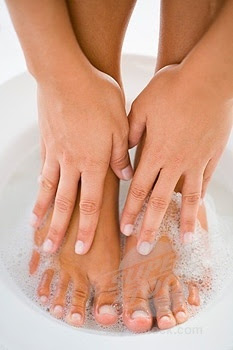
7. Listerine Mouth Rinse: Soaking feet

For calloused, dry feet – 1 cup Listerine, 1 cup white vinegar, 4 cups very warm water. Soak feet for 15-30 minutes then wipe clean. Apply lotion for very soft feet!

Listerine.jpg

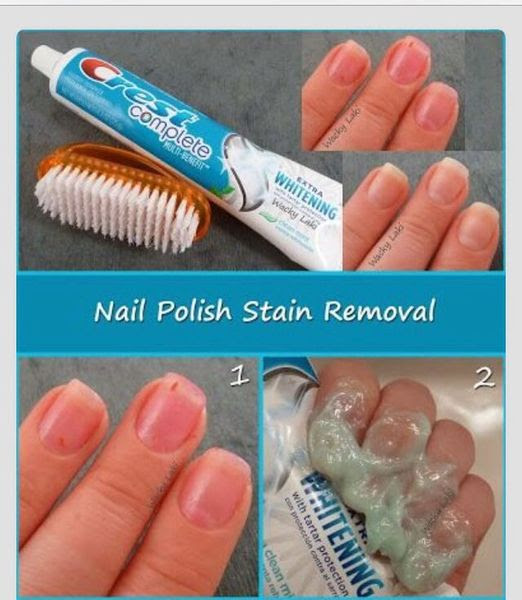
8. Whitening Toothpaste: Removing stains on nails from finger nail polish

Nails stained from previous polish? Use whitening toothpaste and a brush to remove staining. Scrub scrub scrub!

Nail_Polish.jpg


9. Toothpaste: Clean Hazy Headlights/De-scratch DVDs

The slight abrasiveness of toothpaste is great for polishing things! If your headlights are foggy or DVDs are scratched use toothpaste as a buffing agent to help smooth out the scratches!


Headlights.jpg

10. Toothbrush and Toothpaste: Jewelry Cleaner

Use toothbrush and a toothpaste to clean old jewelry. The toothpaste and toothbrush are gentle enough they wont scratch gold! Your bling will be blingy once more!

Jewelry_Cleaner.jpg


Dr. Megan E. Miller – Athletic Mouth Guards

Dr. Megan E. Miller

Dr. Megan E. Miller

Athletic Mouth Guards

Athletic Mouth Guards are a subject near and dear to my heart as a dentist and as a wife. My husband learned the hard way as a teenager the importance of wearing a protective mouth guard. When he was a Junior in high school playing varsity baseball he was hit in the mouth one day at practice. The result of this accident was nine years, thousands of dollars and many trips to the general dentist as well as specialists to restore what was damaged.

Unfortunately, my husband was not wearing an athletic mouth guard on the day of his accident. All it took was one bad hop from a ground ball and the result:  two of his front teeth were knocked backwards  and one of his front teeth was completely knocked out. An attempt was made to save the tooth that was knocked out – a heroic effort that unfortunately failed after several months.  He then had root canal treatments on the two remaining traumatized teeth and a bridge was used to fill in the space left by this missing tooth. This treatment sustained him for six years until one of the surviving teeth decided it had had enough. The infected tooth had to be pulled and the bridge was lost with it.  My handsome husband was now missing his two front teeth all within three months of our wedding day.

The whirlwind of dentistry that happened in the next two years included bone and tissue grafting, 2 implants and 3 crowns. In the end his treatment spanned a period of nine years and cost around $20,000 in dental bills. Through the hard work of his dental team, the patience of my husband and the encouragement from family and friends my husband’s smile was finally finished!

To think all of this could have been prevented by wearing an athletic mouth guard! It makes me cringe! Please learn from his misfortune. If you are playing a contact sport or a sport which involves objects moving at high speeds – please wear a protective mouth guard.

Mouthguards can be bought at the store (Walgreens, Walmart, Target, etc) or custom fitted to your teeth at the dentist. They come in every color and can be matched to your team’s colors. If you are an athlete or participate in contact sports ask your dentist at your next check up what they have to offer for mouthguards. A small investment in a custom made mouthguard can end up saving you thousands!

sport mouth guards

Cracked Tooth Syndrome !

20130826_114607  by Thomas R. Tippins DDS
 

Cracked Tooth Syndrome (CTS) is defined as a crack in the tooth that extends into the dentin and possibly extends into the nerve of the tooth.

The two main symptoms of Cracked Tooth Syndrome are pain when biting on the tooth and sensitivity to cold. You will not feel constant pain, like you would with an abscessed tooth. The pain is usually inconsistent, and hard to replicate because you have to bite on the cracked tooth  just right to produce the pain.

Lower back molars are the most common teeth to have Cracked Tooth Syndrome. The reason being the lower molars receive the most pressure when chewing. People that grind or clench their teeth are more likely to have (CTS). Also teeth that have large fillings or teeth that have root canals are weaker, and more susceptible to Cracked Tooth Syndrome.

If you grind or clench you teeth, Urbandale Family Dentistry can make a night guard to help protect your teeth from grinding and clenching. If you have any posterior  teeth that have root canals, Urbandale Family Dentistry can now make  “all white crowns” to help protect root canal teeth from Cracked Tooth Syndrome. Usually anterior root canal  teeth will not require a crown.

If you feel pain when you bite and discomfort to cold you may have (CTS). You should contact your dental office, so your dentist can diagnose the problem and explain all the appropriate treatments available.


Non restorable lower molar

Non-restorable lower molar

http://webdentistrytoday.com/Oral-Conditions/cracked-tooth-syndrome.html

http://http://www.ada.org/sections/scienceAndResearch/pdfs/patient_25.pdf

Thomas R Tippins DDS  –  Urbandale Family Dentistry, PC